More Like This
-
Article
Reputation Analytics as a Leading Indicator of ESG Risk
-
Capability Overview
Reputation Risk Analytics

The intersection of supply chain and reputational risks has created a perfect storm that poses a potential threat to both an organization’s profitability and brand equity.
Understanding and managing risks within supply chains is already a complex exercise. Supply chain management requires driving efficiency and margin through sourcing strategies, while facing various challenges including natural disasters, cyber threats and geopolitical instability.
At the same time, risk management must also contend with environmental, social and governance (ESG)-related exposures within the global supply chain. And these can have longer-term reputational impact, which may lead to both loss of stakeholder confidence and shareholder value.
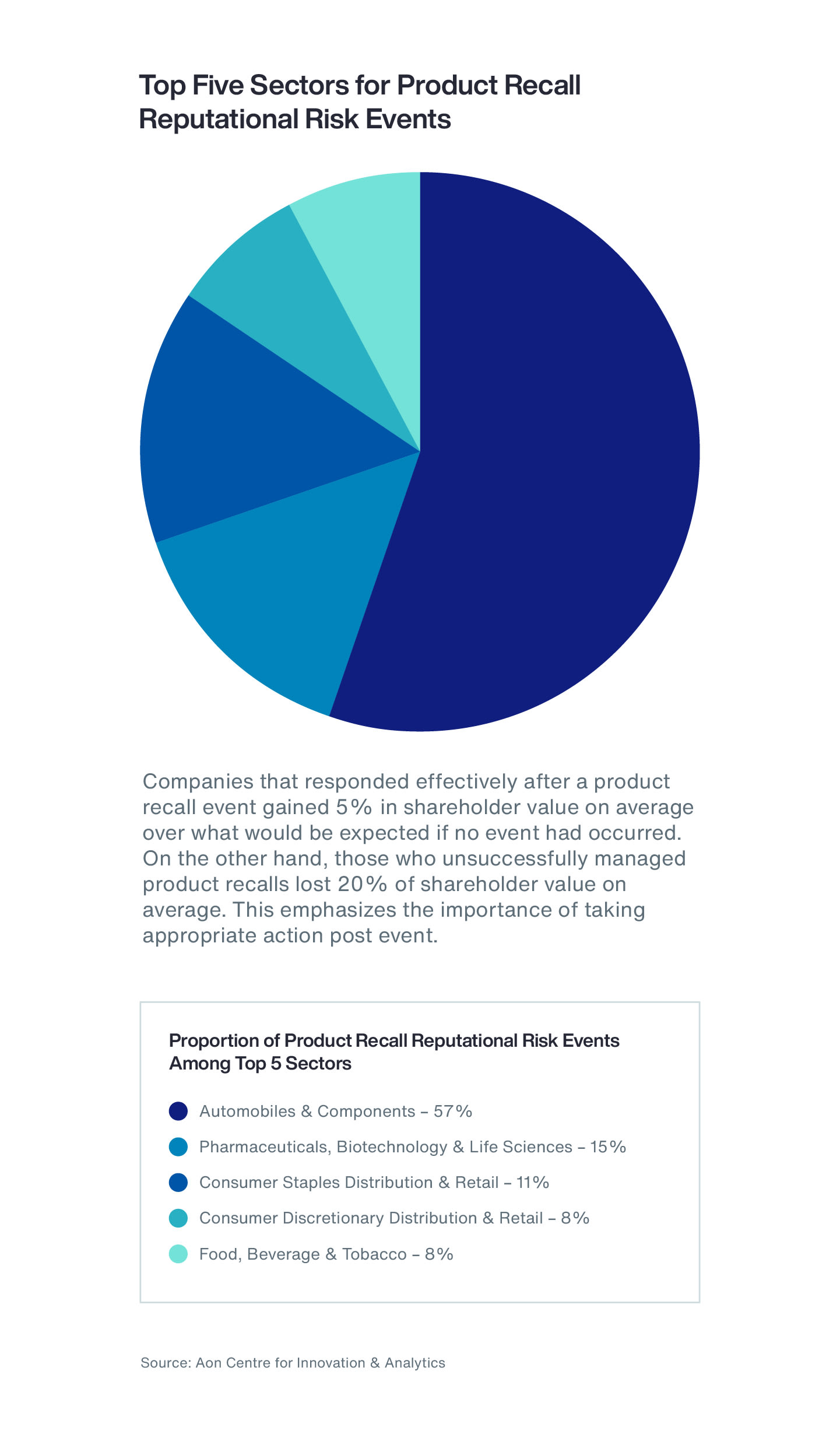
ESG threats can cause downstream effects on supply chains, including product recalls, launch delays and unexpected price hikes, eroding customer confidence and investor trust. Further, these threats are quite common, with 43 percent of organizations experiencing financial loss in the past 12 months due to supply chain risks.
Article
Reputation Analytics as a Leading Indicator of ESG Risk
Capability Overview
Reputation Risk Analytics
In this environment, risk managers are working to better understand how to manage supply chain risk to avoid reputational exposures. “Supply chain activities, from raw material acquisition to component availability, shortages and product delivery, are all very public,” says Ladd Muzzy, Global Reputation Risk Practice Leader at Aon. “Stakeholders are seeking and expecting prompt answers of how the organization will respond to ensure operational resiliency.”
ESG reputational risks frequently originate in supply chains. These risks are often a result of highly visible exposures, such as environmental damage and excessive carbon emissions or human rights abuses. Reputation risks can also be brought on by strategic decisions that include supply chain as part of a larger business model. Understanding risk holistically ensures that all activities are part of the risk evaluation process.
Companies also face increasing legislative demands in an evolving regulatory landscape. These create expectations for organizations to conduct due diligence on their supply chains and ESG risks, including customer data, greenhouse gas emissions, health and safety — the list goes on. Enterprises that fall short may face significant fines, loss of business and investigation expenses, while also suffering damage to their reputations.
Brand and reputation risk is the eighth biggest risk that global enterprises face today and has been a top-of-mind risk for leadership since 2007.
Source: Aon’s Global Risk Management Survey 2023
Reputation risks do not always cause direct interruption in supply chains, but consequences may be significant.
A company with inadequate cybersecurity has a risk of experiencing a data breach and may face regulatory fines from bodies like the General Data Protection Regulation (GDPR), impacting their reputation in the process.1
A company that is unaware of its suppliers’ labor conditions could potentially risk using child labor in its supply chains. This could not only lead to fines from regulations, such as the Germany Supply Chain Act,2 but also lower reputational standing with stakeholders.
A company that does now know the source of the rubber materials in its supply chain could potentially have a higher risk of supporting illegal activities. This could include deforestation that destroys rainforests,3 which could in turn damage its reputation.
A company that has made a commitment to be net-zero by 2030, but is unable to deliver on this promise in its supply chain due to materials supply risk could not only face a decline in employee sentiment within the organization, but also draw the ire of advocacy groups.
A company that sources chips in its automotive supply chain could experience continued impact from the ongoing shortage and be unable to deliver final products to customers,4 resulting in loss of stakeholder trust.
Supply chain failures rank sixth in the top 10 list of risks facing organizations.
Source: Aon’s Global Risk Management Survey 2023
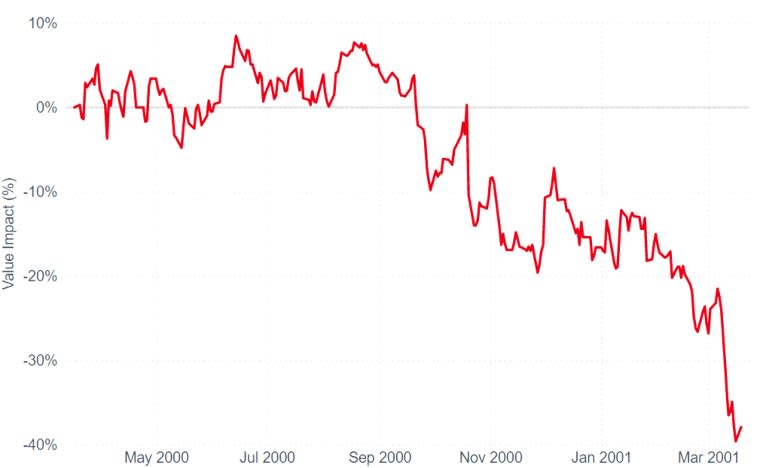
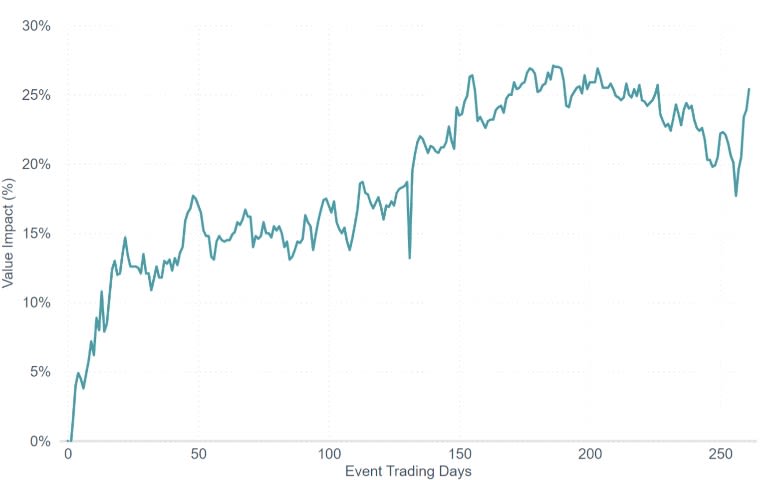
In March 2000, a fire broke out at a plant located within the United States. The fire was controlled quickly, but smoke and water damage destroyed the stock and as a result, production for a key component to be delivered to two global clients stalled. Disruption to production was expected to last a week, but continued for months.
The incident impacted two of the supplier’s clients who are competitors and whose divergent responses illustrate the impact of understanding the risks related to raw material sources. One company (Company A) had alternative supplies in place quickly and was able to pivot and restore capacity. On the other hand, their competitor (Company B) did not have the same level of supply chain resiliency and suffered substantial reputational damage, losing considerable market share as a result.5
In the face of intensifying interconnectivity between risks and growing stakeholder demand for accountability, modern businesses cannot afford to ignore reputation risks in their supply chain. While 74 percent of respondents in Aon’s Global Risk Management Survey stated their organization was prepared for supply chain risk, only 51 percent felt prepared to respond to reputation risk.
To manage reputational challenges existing within supply chains, business leaders may consider these risks in tandem via an enterprise-wide mitigation exercise that brings together different functions, such as procurement, corporate affairs, risk, IT and legal.
A roadmap could include:
By preparing for and managing reputation risks within supply chains, organizations will be able to make better business decisions, improve financial and resource allocation, and in turn, reap capital benefits. Understanding the reputation implications within supply chains can lead to beneficial tactical decisions that reduce potential exposures, such as supplier concentration, non-compliance and the unavailability of products or their inputs.
Taking steps now to understand, manage and mitigate the reputation risks inherent in supply chains can ensure that organizations are proactive in addressing potential unwanted financial and non-financial exposures.
Discover how reputation risk analytics can protect shareholder value and preserve stakeholder trust.
1 Cost of a Data Breach Report 2023, IBM Security, July 2023, https://www.ibm.com/downloads/cas/E3G5JMBP.
2 The German Supply Chain Act: Overview and the practical challenges for companies, Norton Rose Fulbright, February 2023, https://www.nortonrosefulbright.com/en/knowledge/publications/ff7c1d04/the-german-supply-chain-act.
3 Opaque rubber supply chains are obscuring deforestation and biodiversity risks, Zoological Society of London, March 28, 2023, https://www.zsl.org/news-and-events/news/opaque-rubber-supply-chains-are-obscuring-deforestation-and-biodiversity-risks.
4 The semiconductor shortage is – mostly – over for the auto industry, S&P Global Mobility, July 12, 2023, https://www.spglobal.com/mobility/en/research-analysis/the-semiconductor-shortage-is-mostly-over-for-the-auto-industry.html.
5 Data for the case study was provided by the Aon Centre for Innovation & Analytics.
General Disclaimer
The information contained herein and the statements expressed are of a general nature and are not intended to address the circumstances of any particular individual or entity. Although we endeavor to provide accurate and timely information and use sources we consider reliable, there can be no guarantee that such information is accurate as of the date it is received or that it will continue to be accurate in the future. No one should act on such information without appropriate professional advice after a thorough examination of the particular situation.
Terms of Use
The contents herein may not be reproduced, reused, reprinted or redistributed without the expressed written consent of Aon, unless otherwise authorized by Aon. To use information contained herein, please write to our team.
Our Better Being podcast series, hosted by Aon Chief Wellbeing Officer Rachel Fellowes, explores wellbeing strategies and resilience. This season we cover human sustainability, kindness in the workplace, how to measure wellbeing, managing grief and more.

Podcast 23 mins
Better Being Series: Understanding Burnout in the Workplace
Podcast 14 mins
Better Being Series: Why Nutrition Matters
Podcast 10 mins
Better Being Series: Discover the ‘Blue Zones’ Where People Live Longer
Podcast 20 mins
Better Being Series: Improving Your Financial Wellbeing
Podcast 17 mins
Better Being Series: Are You Taking Care of Your Digital Wellbeing?
Podcast 19 mins
On Aon Podcast: Better Being Series Dives into Women’s Health
Podcast 25 mins
On Aon’s Better Being Series: Managing Loss and GriefExpert Views on Today's Risk Capital and Human Capital Issues

Article 8 mins
Thriving in an Interconnected World: How the C-Suite Embraces Uncertainty
Article 6 mins
Powering Progress: Collaborating to Build a Sustainable Future in Emerging Markets
Article 5 mins
Building Business Resilience: Key Steps to Effectively Integrate Risk Management Across Your Organisation
Article 7 mins
Why Humans Are the Essential Factor in the Success of Artificial Intelligence (AI)
Article 5 mins
Leveraging Research and Expertise to Strengthen Your HR Strategy for 2025 and Beyond
Article 5 mins
Managing Risk on the Energy Transition Journey
Article 7 mins
The Role of Risk Management in the Age of Generative Artificial Intelligence
Article 7 mins
Finding A Way In Asia Pacific's New Economic Reality
Article 4 mins
Three Ways to Boost Value from Benefits: APAC Insights from LinkedInExpert Views on Today's Risk Capital and Human Capital Issues

Article 3 mins
Article Template to DuplicateExpert Views on Today's Risk Capital and Human Capital Issues

Article 2 mins
Introduction: Clarity and Confidence to Act Now
Article 11 mins
Navigating a New Age of Macroeconomic Uncertainty
Article 3 mins
Making Better Decisions — A C-Suite Perspective
Article 3 mins
Understanding the Dynamics of Today’s Workforce — Reward, Retain, Evolve
Article 3 mins
Artificial Intelligence — Managing the Risk and Potential
Article 10 mins
Unlocking Balance Sheet Value to Empower Your Business Strategy
Article 3 mins
Navigating the Unpredictable: Aon’s Suite of Actionable Analytics
Article 4 mins
Redefining Risk Capital as a Business Enabler: Veolia's Innovative Approach
Article 9 mins
A Data-Driven Approach to Better Workforce Decisions
Article 5 mins
The Importance of Pay Transparency
Article 6 mins
How Human Capital Data Enhances Risk Management for Financial Institutions
Article 4 mins
The Battle for Top Talent in the Professional Services Sector
Article 5 mins
Insights on a Volatile World — Risk Factors That Businesses Need to be MonitoringBetter Decisions Across Interconnected Risk and People Issues.

Article 3 mins
Acknowledging Our Complex Reality
Article 10 mins
Trade in a Technology-Driven Future
Article 9 mins
How AI and Workforce will Intersect: Navigating Risks and Opportunities
Article 8 mins
Weather and Workforce: Employers Must Quantify the Risk
Article 9 mins
Steering Trade and Supply Chains Amid Weather Challenges
Report 13 mins
Trade Issues Confront Global Businesses on Multiple Fronts
Report 19 mins
Technology is Driving Firms to Harness Opportunities and Defend Against Threats
Report 19 mins
Climate Analytics Unlock Capital to Protect People and Property
Report 14 mins
A Workforce in Transition Prepares to Meet a Host of ChallengesThe construction industry is under pressure from interconnected risks and notable macroeconomic developments. Learn how your organization can benefit from construction insurance and risk management.

Article 8 mins
How North American Construction Contractors Can Mitigate Emerging Risks
Article 7 mins
Managing Construction Risks: 7 Risk Advisory Steps
Article 7 mins
Unlocking Capacity and Capital in a Challenging Construction Risk Market
Article 7 mins
Protecting North American Contractors from Extreme Heat Risks with Parametric
Article 5 mins
How Climate Modeling Can Mitigate Risks and Improve Resilience in the Construction Industry
Report 1 mins
Construction Risk Management Europe Report 2023
Article 8 mins
Parametric Can Help Mitigate Extreme Heat Risks for Contractors in EMEAOur Cyber Resilience collection gives you access to Aon’s latest insights on the evolving landscape of cyber threats and risk mitigation measures. Reach out to our experts to discuss how to make the right decisions to strengthen your organization’s cyber resilience.

Article 8 mins
Cyber and E&O Market Conditions Remain Favorable Amid Emerging Global Risks
Article 7 mins
How to Navigate AI-Driven Cyber Risks
Article 9 mins
Building Resilience in a Buyer-Friendly Cyber and E&O Market
Article 11 mins
A Middle Market Roadmap for Cyber Resilience
Article 7 mins
Lessons Learned from the CrowdStrike Outage: 5 Strategies to Build Cyber Resilience
Article 8 mins
Responding to Cyber Attacks: How Directors and Officers and Cyber Policies Differ
Article 6 mins
Why Now is the Right Time to Customize Cyber and E&O ContractsOur Employee Wellbeing collection gives you access to the latest insights from Aon's human capital team. You can also reach out to the team at any time for assistance with your employee wellbeing needs.

Article 8 mins
Employer Strategies for Cancer Prevention and Treatment
Article 6 mins
The Long-Term Care Conundrum in the United States
Article 9 mins
Developing a Paid Leave Strategy That Supports Workers and Their Families
Article 9 mins
4 Ways to Foster a Thriving Workforce Amid Rising Health Costs
Article 9 mins
The Next Evolution of Wellbeing is About Performance
Article 6 mins
Three Ways Collective Retirement Plans Support HR Priorities
Article 9 mins
How the Right Employee Wellbeing Strategy Impacts Microstress and Burnout at Work
Podcast 13 mins
On Aon Podcast: The Future of Healthcare: Key Factors Impacting Medical Trend Rates
Article 7 mins
Making Wellbeing Part of a Company’s DNA
Article 7 mins
A Comprehensive Approach to Financial WellbeingExplore Aon's latest environmental social and governance (ESG) insights.
Our Global Insurance Market Insights highlight insurance market trends across pricing, capacity, underwriting, limits, deductibles and coverages.

Article 12 mins
Q4 2023: Global Insurance Market Overview
Article 13 mins
Top Risk Trends to Watch in 2024Better Decisions Across Interconnected Risk and People Issues.

Report 28 mins
A New Era of Converging Risks and Accelerating Disruption
Article 1 mins
Top 10 Global Risks
Article 1 mins
Industry Insights: Findings from Aon's Global Risk Management Survey
Article 1 mins
Regional Results
Article 41 mins
Country-Level Findings
Report 5 mins
Methodology and Respondent DemographicsHow do the top risks on business leaders’ minds differ by region and how can these risks be mitigated? Explore the regional results to learn more.

Article 12 mins
Rethinking Resilience: Addressing Asia Pacific’s Top Risks
Article 10 mins
Turning Uncertainty into Opportunity: Managing Risk in the EMEA Region
Article 10 mins
Latin America’s Risk Landscape: Turning Complexity into Competitive Advantage
Article 10 mins
Rethinking Resilience: Navigating North America’s Evolving Risk LandscapeExplore Aon's corporate sustainability impact and strategy.

Article 7 mins
Executive Summary
Article 13 mins
Aon’s Environmental Sustainability
Article 15 mins
Supporting Energy Resilience and a Transition to a Low-Carbon Economy
Article 20 mins
Our Commitment to Our Colleagues
Article 8 mins
Our Community Impact
Article 10 mins
Governance
Article 8 mins
Cyber and Data Security
Article 11 mins
Redefining ResilienceTrade, technology, weather and workforce stability are the central forces in today’s risk landscape.

Article 6 mins
Cyber Risk: Turning Uncertainty into Opportunity
Article 7 mins
Business Interruption: Managing Risk in an Interconnected World
Article 6 mins
Why Economic Slowdown is an Ongoing Risk for Organizations
Article 8 mins
Navigating Regulatory and Legislative Change
Article 5 mins
Increasing Competition Is Intensifying Risk for Organizations
Article 7 mins
Commodity Price Risk and Material Scarcity: An Escalating and Complex Risk
Article 9 mins
Supply Chain or Distribution Failure: Navigating the New Normal
Article 5 mins
Damage to Reputation or Brand: A Critical Risk
Article 6 mins
Geopolitical Volatility: Preparing for the Unpredictable
Article 6 mins
Cash Flow and Liquidity Risk: A Rising ChallengeThese industry-specific articles explore the top risks, their underlying drivers and the actions leaders are taking to build resilience.

Article 9 mins
Building Resilience to Support Growth in Construction and Real Estate
Article 10 mins
Managing Risk and Unlocking Opportunity in the Food, Agribusiness and Beverage Industry
Article 8 mins
Adapting to Disruption: How Financial Institutions are Reframing Risk
Article 10 mins
Turning Risk into Resilience in the Industrials and Manufacturing Industry
Article 11 mins
Navigating Risk in Insurance: Turning Complexity into Competitive Advantage
Article 10 mins
Navigating Risk in Life Sciences: Building Resilience to Support Growth
Article 11 mins
Navigating Volatility in Natural Resources: Risk Management as a Value Driver
Article 10 mins
Navigating Risk in Transportation and Logistics: Gearing Up for Big Transitions
Article 9 mins
Technology, Media and Communications: Rethinking Risk in a Shifting LandscapeOur Human Capital Analytics collection gives you access to the latest insights from Aon's human capital team. Contact us to learn how Aon’s analytics capabilities helps organizations make better workforce decisions.

Article 35 mins
5 Human Resources Trends to Watch in 2025
Article 13 mins
Medical Rate Trends and Mitigation Strategies Across the Globe
Article 9 mins
3 Strategies to Help Avoid Workers Compensation Claims Litigation
Podcast 15 mins
On Aon Podcast: Using Data and Analytics to Improve Health Outcomes
Article 14 mins
How Technology Will Transform Employee Benefits in the Next Five Years
Podcast 18 mins
On Aon Podcast: Technology Impacting the Future of Health and Benefits
Article 10 mins
Designing Tomorrow: Personalizing EVP, Benefits and Total RewardsRead our collection of human capital articles that explore in depth hot topics for HR and risk professionals, including using data and analytics to measure total rewards programs, how HR and finance can better partner and the impact AI will have on the workforce.

Article 12 mins
Total Rewards Strategies That Drive Business Outcomes
Article 35 mins
5 Human Resources Trends to Watch in 2025
Article 20 mins
5 Ways HR Can Partner with Finance to Drive Growth
Article 15 mins
How Artificial Intelligence is Transforming Human Resources and the Workforce
Article 15 mins
Five Big Human Resources Trends to Watch in 2024
Article 10 mins
Designing Tomorrow: Personalizing EVP, Benefits and Total Rewards
Article 10 mins
How Data and Analytics Can Optimize HR Programs
Article 15 mins
Get Ready for the Top 5 HR Trends in 2023Explore our hand-picked insights for human resources professionals.

Article 7 mins
COVID-19 has Permanently Changed the Way We Think About Wellbeing
Article 10 mins
How Data and Analytics Can Optimize HR Programs
Article 7 mins
Case Study: The LPGA Unlocks Talent Potential with Data
Article 10 mins
Navigating the New EU Directive on Pay Transparency
Article 6 mins
Rethinking Your Total Rewards Programs During Mergers and AcquisitionsOur Workforce Collection provides access to the latest insights from Aon’s Human Capital team on topics ranging from health and benefits, retirement and talent practices. You can reach out to our team at any time to learn how we can help address emerging workforce challenges.
Article 8 mins
Weather and Workforce: Employers Must Quantify the Risk
Article 12 mins
Total Rewards Strategies That Drive Business Outcomes
Article 8 mins
AI and Workforce Skills: Who Should Act and Why Now?
Article 19 mins
3 Strategies to Promote an Inclusive Environment and Bridge the Gender Gap
Article 8 mins
2025 Salary Increase Planning Tips
Article 12 mins
People Risks Are Rising: Here’s How U.S. Benefits Are Stepping Up
Article 8 mins
Employer Strategies for Cancer Prevention and Treatment
Article 6 mins
Taking a Data-Led Approach to Job Architecture to Accelerate Pay Transparency
Podcast 12 mins
Better Being Series: Building Sustainable Performance in a Multi-Generational Workforce
Article 7 mins
Key Trends in U.S. Benefits for 2025 and Beyond
Article 7 mins
Why Pay Transparency Demands a Total Rewards Lens
Article 9 mins
4 Ways to Foster a Thriving Workforce Amid Rising Health CostsOur Mergers and Acquisitions (M&A) collection gives you access to the latest insights from Aon's thought leaders to help dealmakers make better decisions. Explore our latest insights and reach out to the team at any time for assistance with transaction challenges and opportunities.
Article 6 mins
Rethinking Your Total Rewards Programs During Mergers and Acquisitions
Article 9 mins
Organizational Design and Talent Planning are Key to M&A Success
Article 5 mins
Project Management for HR: The Secret Behind a Successful M&A Deal
Article 8 mins
Cultural Alignment Planning Drives M&A Success
Report 1 mins
A Guide to Maximizing Value in Post-Merger Integrations
Report 2 mins
The ABC's of Private Equity M&A: Deal Flow Impacts of Al, Big Tech and Climate Change
Article 11 mins
The Silver Lining on M&A Deal Clouds: M&A Insurance Insights from 2023The challenges in adopting renewable energy are changing with technological advancements, increasing market competition and numerous financial support mechanisms. Learn how your organization can benefit from our renewables solutions.

Article 4 mins
5 Steps for Successful Carbon Accounting Verification
Article 6 mins
AI Innovations in Renewable Energy: Transforming the Sector
Article 11 mins
Securing Human Capital in Natural Resources
Article 6 mins
Decarbonizing Construction for a Low-Emission FutureHow do businesses navigate their way through new forms of volatility and make decisions that protect and grow their organizations?
Our Parametric Insurance Collection provides ways your organization can benefit from this simple, straightforward and fast-paying risk transfer solution. Reach out to learn how we can help you make better decisions to manage your catastrophe exposures and near-term volatility.

Article 10 mins
How Public Entities and Businesses Can Use Parametric for Emergency Funding
Article 6 mins
Parametric Insurance: A Complement to Traditional Property Coverage
Article 8 mins
Using Parametric Insurance to Match Capital to Climate Risk
Article 6 mins
Using Parametric Insurance to Close the Earthquake Protection Gap
Article 5 mins
How Technology Enhancements are Boosting ParametricOur Pay Transparency and Equity collection gives you access to the latest insights from Aon's human capital team on topics ranging from pay equity to diversity, equity and inclusion. Contact us to learn how we can help your organization address these issues.
Article 6 mins
Taking a Data-Led Approach to Job Architecture to Accelerate Pay Transparency
Article 19 mins
3 Strategies to Promote an Inclusive Environment and Bridge the Gender Gap
Report 1 mins
The 2024 North America Pay Transparency Readiness Study
Article 10 mins
How Financial Institutions can Prepare for Pay Transparency Legislation
Article 8 mins
Pay Transparency Can Lead to Better Equity Across Benefits
Article 12 mins
Understanding and Preparing for the Rise in Pay Transparency
Podcast 14 mins
On Aon Podcast: Understanding Pay Transparency Regulations
Article 10 mins
Navigating the New EU Directive on Pay Transparency
Article 6 mins
To Disclose Pay or Not? How Companies are Approaching the Pay Transparency Movement
Podcast 19 mins
On Aon Podcast: Better Being Series Dives into Women’s Health
Article 11 mins
Advancing Women’s Health and Equity Through Benefits and SupportForecasters are predicting an extremely active 2024 Atlantic hurricane season. Take measures to build resilience to mitigate risk for hurricane-prone properties.
Article 8 mins
Florida Hurricanes Not Expected to Adversely Affect Property Market
Article 10 mins
Build Resilience for an Extremely Active Atlantic Hurricane Season
Article 4 mins
Four Steps to Develop Strong Property Risk Coverage in a Hardening Market
Podcast 16 mins
On Aon Podcast: Navigating and Preparing for Catastrophes
Article 6 mins
Parametric Insurance: A Complement to Traditional Property Coverage
Article 4 mins
Navigating Climate Risk Using Multiple Models and Data Sets
Article 5 mins
Rising Losses From Severe Convection Storms Mostly Explained by Exposure Growth
Article 6 mins
Using Parametric Insurance to Close the Earthquake Protection GapOur Technology Collection provides access to the latest insights from Aon's thought leaders on navigating the evolving risks and opportunities of technology. Reach out to the team to learn how we can help you use technology to make better decisions for the future.
Article 9 mins
How AI and Workforce will Intersect: Navigating Risks and Opportunities
Article 23 mins
The AI Data Center Boom: Strategies for Sustainable Growth and Risk Management
Article 8 mins
AI and Workforce Skills: Who Should Act and Why Now?
Article 7 mins
How Technology is Transforming Open Enrollment in the U.S.
Article 15 mins
Navigating Cyber Risks in EMEA: Key Insights for 2025
Article 7 mins
How to Navigate AI-Driven Cyber Risks
Article 15 mins
How Artificial Intelligence is Transforming Human Resources and the Workforce
Podcast 9 mins
On Aon Podcast: How has CrowdStrike Changed the Cyber Market?
Article 18 mins
5 Ways Artificial Intelligence can Boost Claims Management
Article 12 mins
Navigating AI-Related Risks: A Guide for Directors and Officers
Article 5 mins
How Technology Enhancements are Boosting Parametric
Article 7 mins
How to Futureproof Data and Analytics Capabilities for ReinsurersOur Trade Collection gives you access to the latest insights from Aon's thought leaders on navigating the evolving risks and opportunities for international business. Reach out to our team to understand how to make better decisions around macro trends and why they matter to businesses.
Article 10 mins
Trade in a Technology-Driven Future
Podcast 9 mins
Special Edition: Global Trade and its Impact on Supply Chain
Article 8 mins
The Evolving Threat of Cargo Theft: 5 Key Mitigation Strategies
Report 1 mins
Findings from Aon's Global Risk Management Survey | Tenth Edition
Article 4 mins
Four Steps to Develop Strong Property Risk Coverage in a Hardening Market
Article 14 mins
Cutting Supply Chains: How to Achieve More Reward with Less Risk
Article 9 mins
Driving Private Equity Value Creation Through Credit Solutions
Article 7 mins
4 Steps to Help Take Advantage of a Buyer-Friendly Directors' & Officers' Market
Article 8 mins
Managing Reputational Risks in Global Supply Chains
Article 8 mins
How an Outsourced Chief Investment Officer Can Help Improve Governance and Manage Complexity
Article 8 mins
Decarbonizing Your Business: Finding the Right Insurance and Strategy
Article 8 mins
Reputation Analytics as a Leading Indicator of ESG RiskBetter Decisions Across Interconnected Risk and People Issues.

Report 5 mins
Chapter 1: Author’s Note & Executive Summary
Report 8 mins
Chapter 2: North America: Highlights, Claims Severity and Frequency
Report 3 mins
Chapter 3: North America: Breach Type and Notification
Report 24 mins
Chapter 4: North America: Industry Sectors and Trends
Report 5 mins
Chapter 5: North America: Tax Insurance Claims
Report 5 mins
Chapter 6: EMEA: Highlights and Introduction
Report 9 mins
Chapter 7: EMEA: Claim Frequency and Metrics
Report 7 mins
Chapter 8: EMEA: Notifications by Target Location and Claims Severity and Payment Trends
Report 10 mins
Chapter 9: EMEA: Breach Types and Trends
Report 7 mins
Chapter 10: EMEA: Case Law, Insurer Survey, Claims Handling and Tax
Report 6 mins
Chapter 11: APAC: Asia
Report 9 mins
Chapter 12: APAC: PacificWith a changing climate, organizations in all sectors will need to protect their people and physical assets, reduce their carbon footprint, and invest in new solutions to thrive. Our Weather Collection provides you with critical insights to be prepared.
Article 9 mins
Steering Trade and Supply Chains Amid Weather Challenges
Podcast 9 mins
On Aon Podcast: Climate Impact on the Property and Casualty Market
Alert 14 mins
L.A. Wildfires Highlight Urgent Need for Employee Support and Business Resilience
Report 3 mins
2026 Climate and Catastrophe Insight
Article 10 mins
How Public Entities and Businesses Can Use Parametric for Emergency Funding
Podcast 12 mins
On Aon Podcast: Tackling Climate Risk to Build Economic Resilience
Article 5 mins
Understanding Freeze Risk in a Changing Climate
Podcast 9 mins
On Aon Podcast: Climate Science Through Academic Collaboration
Article 6 mins
How Companies Are Using Climate Modeling to Improve Risk Decisions
Article 8 mins
Using Parametric Insurance to Match Capital to Climate Risk
Article 9 mins
Record Heatwaves: Protecting Employee Health and SafetyOur Workforce Resilience collection gives you access to the latest insights from Aon's Human Capital team. You can reach out to the team at any time for questions about how we can assess gaps and help build a more resilience workforce.

Article 11 mins
Construction phase claims are rising as renewable projects grow larger, more complex and more exposed. Understanding where risk concentrates and how earlier, integrated decisions can reduce loss is central to delivery certainty, financing confidence and long-term insurability.

Article 5 mins
AI-driven cyber controls promise speed and precision, but when high-privilege automation is wrong or manipulated the real risk shows up on your P&L in your governance and at your next renewal.
Article 6 mins
A quieter 2026 hurricane season is possible, but risk remains. North American organizations, however, have a window to strengthen resilience. Combining exposure data with real-time analytics, claims readiness and resilience measures can help provide a strategic advantage for protecting assets.

You will soon receive an email to verify your email address. Please click on the link included in this note to complete the subscription process, which also includes providing consent in applicable locations and an opportunity to manage your email preferences.
Article 10 Min Read
Your request is being reviewed so we can align you to the best resources on our team. In the meantime, we invite you to explore some of our latest insights below.
Article 10 Min Read
